Potterhanworth Church of England Primary School
“Rooted in God’s love, we learn, grow and flourish.” (Ephesians 3:17–19)
Potterhanworth Church of England Primary School
Main Road, Potterhanworth, Lincoln. LN4 2DT
Telephone:
Email:
Curriculum
Organisation of Teaching and Learning
Organisation of Teaching
The school currently has five classes and this may vary from year to year. Class organisation is based on numbers in each year group and the needs of individual children.
Our Curriculum Intent
Our overall intent is:
“To nurture independent, resilient, inquisitive learners who have a breadth of knowledge, experience and skills, with aspirations to succeed in the wider world.”
Based on the context of our school, ‘Oracy, Diversity and Independence are the golden threads which are woven through many aspects of our curriculum to support children’s academic and social well-being. We wish to prepare them for life beyond Potterhanworth.
ORACY – DIVERSITY – INDEPENDENCE
Why these golden threads?
Oracy
We need to support all levels of language development across our school. We wish to explicitly extend our children’s spoken vocabulary so that they can use very purposeful, structured, curriculum-focused dialogue for their interaction with others.
We wish to ensure our children have the right level of vocabulary to communicate in a variety of different situations; respecting their
‘audience’, listening and taking turns – and knowing how to articulate their thoughts and ideas.
Diversity
Living in a small village in rural Lincolnshire, most of our children have very little experience of diversity.
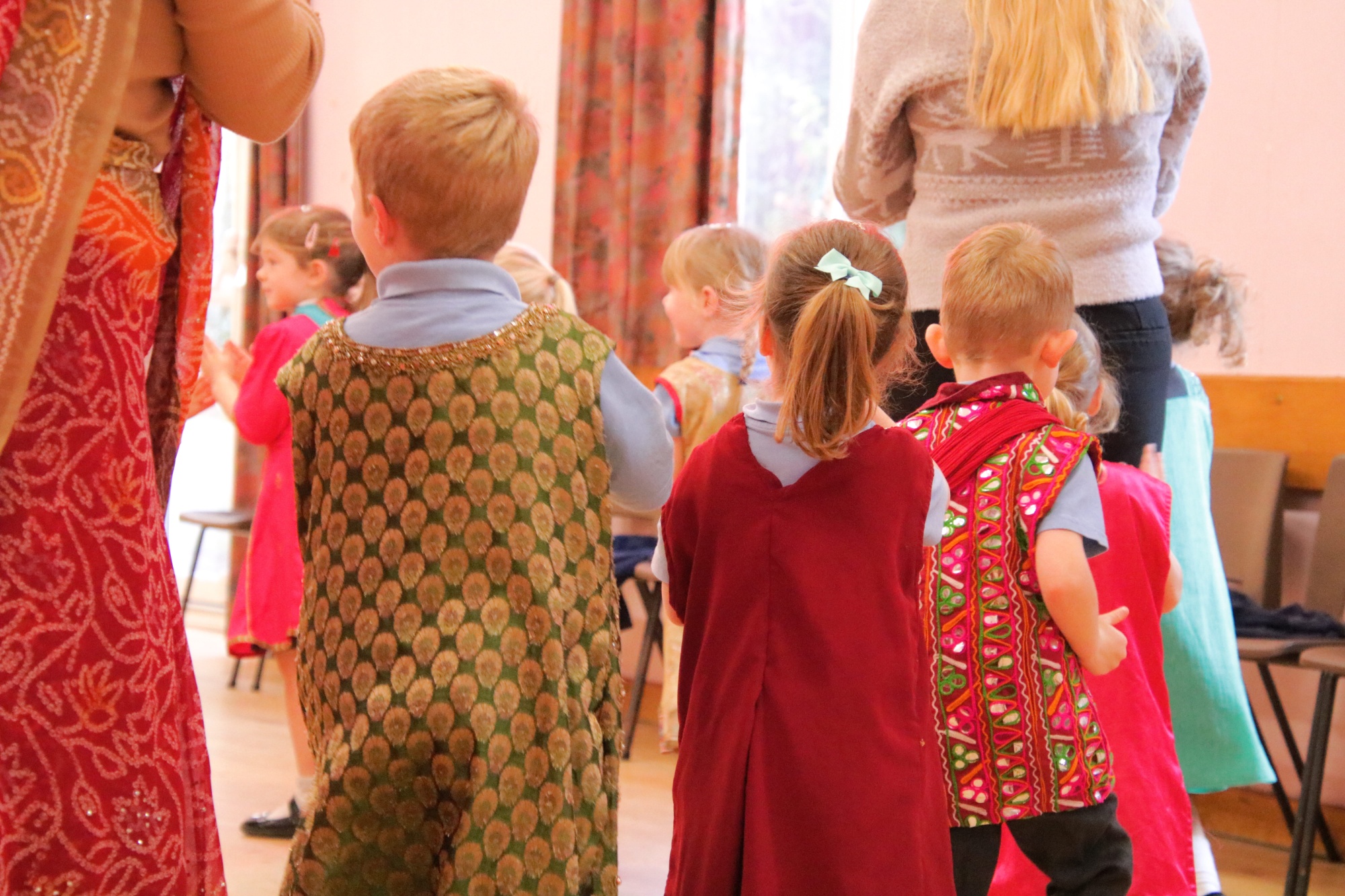
We wish to broaden our children’s horizons so that they have a deeper understanding of cultural differences and diverse groups.
We feel it is important to lay down the foundations for an inclusive society which understands, respects and embraces differences. This, we believe, will help our children to be part of an inclusive society in the wider world.
Independence
We want our children to have the confidence, ‘tools’ and resilience to do things independently!
We aim to provide opportunities to develop children’s life skills and create a culture where our children are encouraged to overcome
Our Implementation
Our Curriculum is built around BIG QUESTIONS, a different one every big term, on a 2-year cycle. Teachers have autonomy over how
they deliver the curriculum, under the BIG QUESTIONS, whilst working within the NC framework and being guided by our school’s progression of knowledge documents (POK).
POK documents outline the knowledge and skill expectations for each year group / key stage, to ensure that there is progression
throughout the school in terms of the skills (and knowledge) we want our year 6 children to be leaving us with.
Within each curriculum area, we see our golden threads: oracy, diversity, independence. These golden threads may not appear in every
subject, but where they do, there are clear pathways.
Teaching staff use the NC and POK’s to plan cross curricular links which are purposeful and support the layers of learning in order to help learning ‘stick’ – repetition, consolidation and application. These links support the application of reading, writing and maths skills, but also place other areas of learning in context and give the children real life purpose and meaning to their studies.
Marking, feedback and on-going assessments are used to guide next steps in learning and provide new challenges.
Impact
The children feel well cared for and supported.
Our children achieve well from their starting points.
They acquire the necessary values, knowledge and skills to support the next stage of their education and lives beyond
our school.
Children display a strong work ethic and take ownership of their learning.
At the end of Year 6, children leave Potterhanworth with overall raised confidence levels ready to embrace the new
challenges of secondary school and life beyond
Early Years Foundation Stage
Our child-centred, nurturing learning environment is inspired by the awe and wonder of the world around us. The personalized curriculum enhances a child’s curiosity and wonder, and allows each child to flourish.
Staff work closely with parents, supporting and promoting independence and resilience, guiding children and helping to promote a positive attitude to school and a love of learning. During their first year, the children follow the Curriculum Guidance for Early Years.
Prime Areas
- Personal, Social and Emotional Development
- Physical Development
- Communication and Language
Specific Areas
- Literacy
- Mathematics
- Understanding the World
- Expressive Arts and Design
After their Reception Year, children follow the new National Curriculum Key Stage 1 and 2—Years 1 and 2 being
Key Stage 1, and Years 3-6 being Key Stage 2. The National Curriculum gradually builds on the key skills developed in Early Years.
KS1 and KS2 National Curriculum
The National Curriculum is taught through a mixture of themes and topics, subject specific lessons and the teaching of knowledge and skills. Within our themes, we cover a range of subject areas and ensure we utilise the local environment and wider community whilst promoting first-hand experiences.
English
The National Curriculum for English describes what must be taught in each year group. We aim for each child to be able to communicate effectively and confidently by developing their oracy skills.
We value children’s abilities to listen, speak, read and write for a wide range of purposes, so using language to learn and communicate ideas, views and feelings. This enables children to express themselves creatively and imaginatively, as they become enthusiastic and critical readers of stories, poetry and drama, as well as nonfiction and media texts.
We believe that children gain an understanding of how language works by looking at its patterns, structures and origins. Children are encouraged to use their knowledge, skills and understanding in speaking and writing across the curriculum and in a range of different situations.
Phonics
The early stages of children learning to read can be daunting for many parents, with lots of phonics jargon being used by professionals in school. Our aim is to support all parents to feel confident when helping their child to practise their new reading skills at home. We hope you find the information below helpful, but if you have any questions please speak to your child’s class teacher, who will be happy to help.
How we teach phonics at Potterhanworth CE Primary School
At Potterhanworth CE Primary School, we follow Floppy’s Phonics, a systematic synthetic phonics teaching programme for early reading and writing. We use the interactive phonics lessons and activities to teach children the sounds in words and the code (letters) used to represent them. Children in Reception and Year 1 will take part in a daily phonics lesson. Each lesson begins by rapidly revisiting previously taught sounds and codes before being taught the next new sound. They will use the Floppy’s Phonics Sound Books to look for words which contain this new sound and discuss the meaning of any new vocabulary. They will practise forming the new code, reading words and sentences which contain it and complete spelling games too. This learning will transfer into their daily reading so children can apply and consolidate the new sound and code.
Terminology
Grapheme – The letter or letter group which is code for the sound.
Phoneme – The smallest identifiable sound of speech.
Blending – When reading a word, identify the graphemes in the word and say the corresponding sounds in order to hear the word as a whole. E.g. read sh – o – p = shop
Segmenting – When spelling a word, break it down into the sounds you hear and write the grapheme for each identified sound. E.g. say shop = writing sh – o – p
Decode – Breaking a word down into sounds to be able to read it.
Encode – Breaking a word down into sounds to be able to spell it.
Digraph – When two letters make one sound when they are together. E.g. boat
Trigraph – When three letters make one sound when they are together. E.g. night
Split digraph – When two letters that are “split” by having another letter in the middle of them. E.g. a_e in game or i_e in tide.
Tricky words – These are common or high frequency words with unusual spelling rules which means they can’t be decoded easily. Children will learn to recognise these words by sight.
Floppy’s Phonics Characters
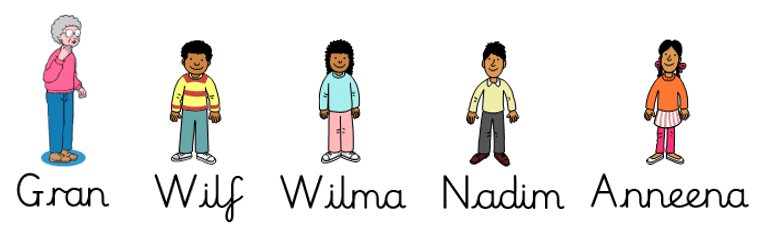
This is the Robinson family. You may recognise them from Oxford Reading Tree books you have read and they are also in all our Floppy’s Phonics Sound Books.
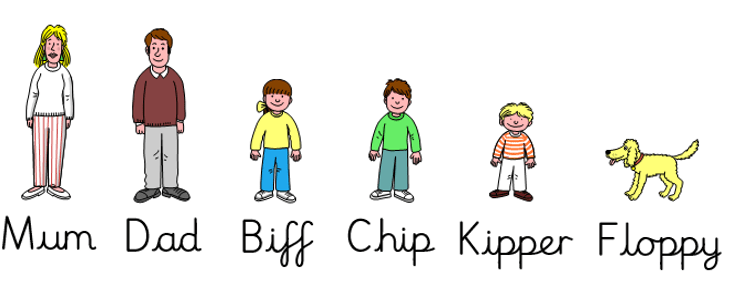
Family and friends who join in with the fun.
Resources
Below are some resources to help you support your children with early reading and writing at home. Floppy’s Phonics is taught in blocks, level 1 – 5, throughout Reception and Year 1. You will be able to find your child’s current level in their home learning book, but if you would like support, please speak to the class teacher.
Floppy’s Phonics Online
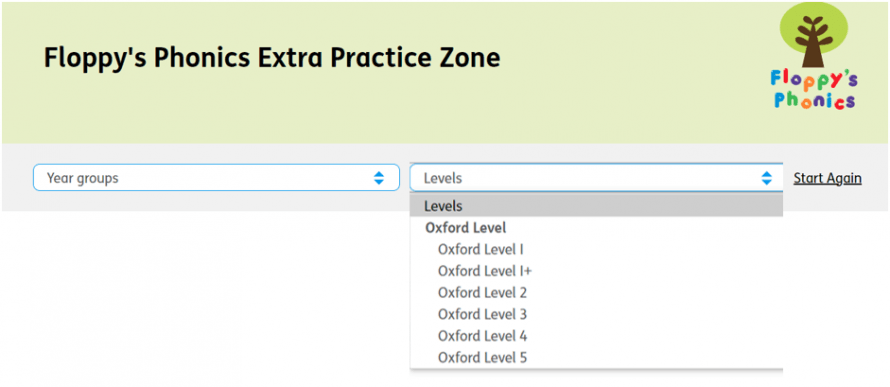
You can access the Floppy’s Phonics sound books online through the Oxford Owl website. Login (oxfordowl.co.uk) Your child has their class login for this in their home school diary. Once you have logged in, you will see a tab for the Floppy’s Phonics resources.
Click on this tab to see all the sound books. You can filter these to the level your child is currently working on, or revisit previously taught sounds to recap learning.
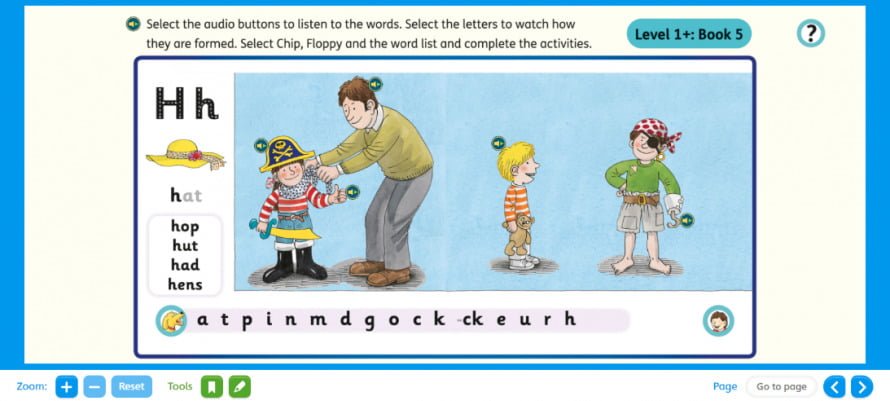
Each book contains 3 or 4 sounds; a double page per sound. You can access word lists to decode together, a picture with sound buttons and other spelling and reading games by clicking on the icons on the page.
Each book contains 3 or 4 sounds; a double page per sound. You can access word lists to decode together, a picture with sound buttons and other spelling and reading games by clicking on the icons on the page.
Reading
- The school adopts a systematic approach to the teaching of
phonics, using the Floppy’s Phonics scheme. - The books children bring home to read will be in line with the sounds they have learnt at school.
- Class library books are shared with children to encourage reading for pleasure and sharing books with families.
- Children are encouraged to read widely and often.
- Quality talk-time is developed to support children’s understanding of books—strong oracy skills are developed.
- Children develop their comprehension skills through a variety of reading sessions.
- Children will share a rich variety of books during their time at school, based around a spine on key texts, which are explored in depth.
Writing
- Children are taught to spell, to use punctuation and the rules of grammar.
- Children learn to write for a variety of audiences and purposes.
- Technical English is taught from an early age.
- Spelling and handwriting are taught through a systematic approach. Neatness and accuracy are emphasised.


Please click on the links below for more information about the progression of our English curriculum.
Mathematics
Mathematical development depends on becoming confident and competent in learning and using key skills. The National Curriculum for Mathematics describes what must be taught in each year group. This structure of the curriculum gives continuity and progression in the teaching of mathematics. Maths is important in everyday life. It is integral to all aspects of life and with this in mind we endeavour to ensure that children develop a healthy and enthusiastic attitude towards maths that will remain with them.
Early on this includes counting, sorting, matching, seeking patterns, making connections, recognising relationships and working with numbers, shapes, space and measures. Mathematical understanding is developed through stories, songs, games and imaginative play, so that children can enjoy using and experimenting with numbers. Early years provision ensures that children can apply what has been taught via their child-initiated tasks.
We recognise the importance of establishing a secure foundation in mental calculation, times tables and recall of number facts before standard written methods are introduced.
The adults in school use the appropriate terminology in our teaching and children are expected to use it in their verbal and written explanations.
Mathematics contributes to many subjects and it is important the children are given opportunities to apply and use mathematics in real contexts.
We endeavour at all times to set work that is challenging, motivating and encourages the pupils to talk about what they have been doing.


Please click on the link below for more information about the progression of our Mathematics curriculum.
Science, History, Geography, DT and Computing
In these areas, the children are developing the crucial knowledge, skills and understanding that help them to make sense of their world. In the Early Years, the foundations are laid for later work in science, design and technology, history, geography and computing.
Starting from the child’s previous experiences, cross-curricular play activities make a vital contribution to the children’s learning of basic skills and the teacher and staff can work with small groups or individuals to focus on particular aspects to be developed. There will be a range of provision, structured play activities and child-initiated tasks available at all times. Activities are based on first-hand experiences that encourage exploration, observation, problem solving, prediction, critical thinking, decision making and discussion.
Children work on specific design technology projects based around real life concepts using a variety of tools and materials. We develop historical and geographical knowledge and skills, through a variety of interesting studies and visits. We visit the local museums, historical Lincoln and we also take children on trips such as to Rand Farm. In KS2 the children have the option to participate in overnight residential visits.
Through our teaching of these subjects, we stimulate children’s interest in their world and through this they develop a sense of identity and a cultural understanding. Our teaching ensures all National Curriculum objectives are met, whilst also working with the children’s interests. Science knowledge and enquiry skills are developed through practical experiments, research and demonstrations. Children study different topics throughout each year, each having a different scientific emphasis. For example, everyday materials, forces and magnets.
Our Computing curriculum is based around the three strands of Computing, such as, Computer Science, Information Technology and Digital Literacy, with the three strands woven throughout each year group’s lessons. Our pupils are taught to use technology safely, competently and to enhance their learning. Within these lessons, pupils are taught key and age appropriate online safety skills.
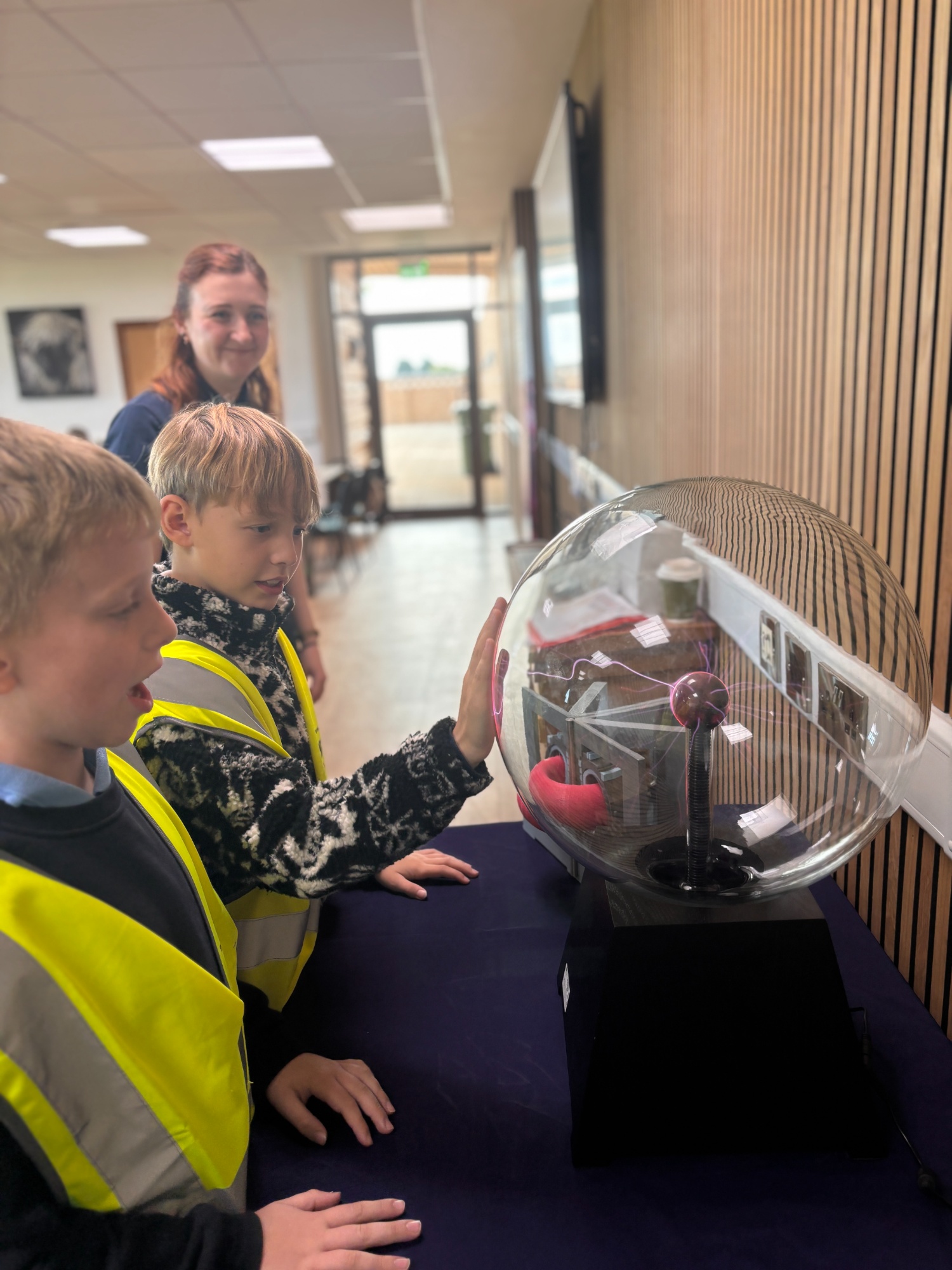


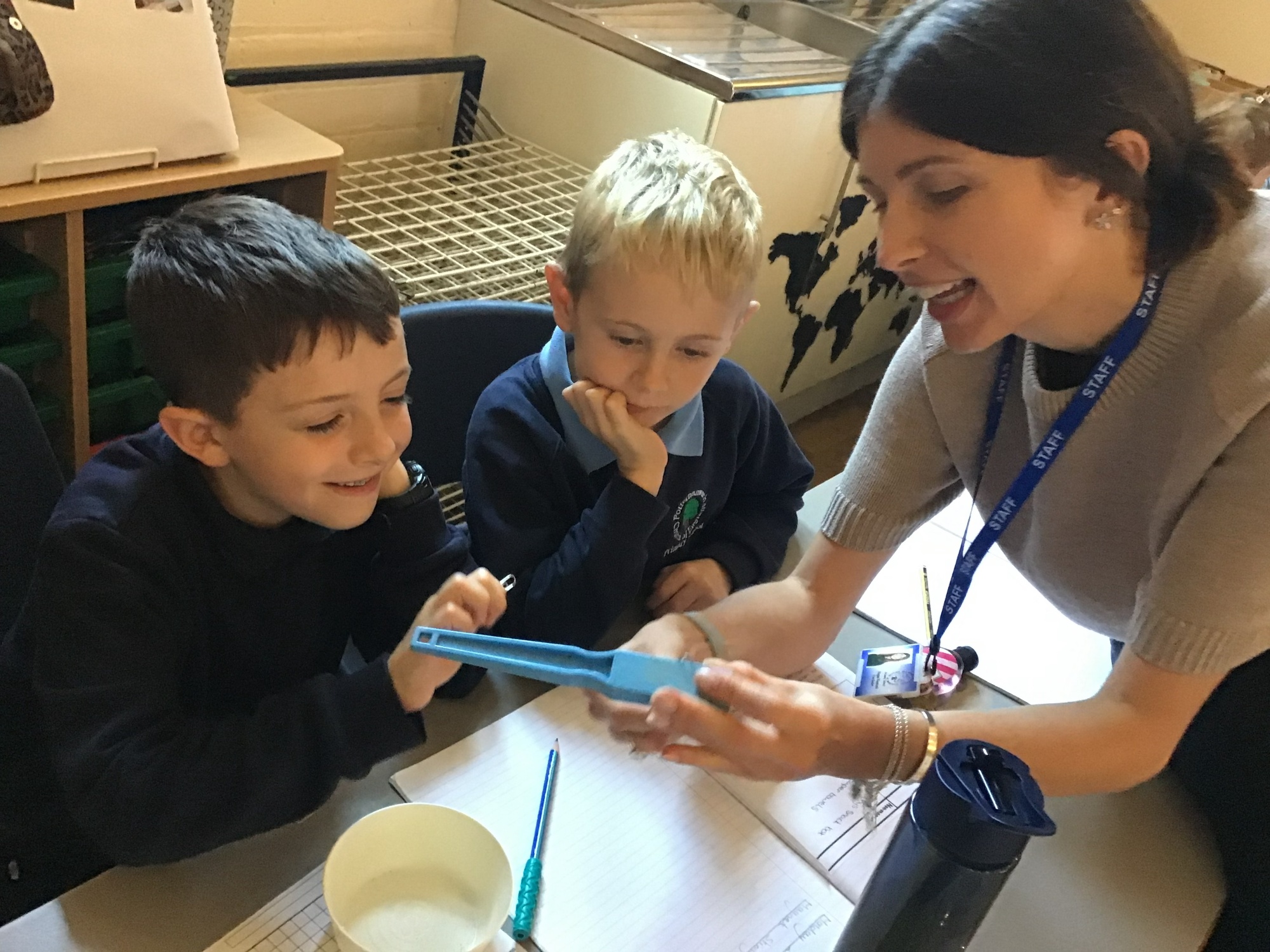
Please click on the links below for more information about the progression of our Science, History, Geography, DT and Computing curriculums.
Spanish
Intent
At Potterhanworth CE Primary School, we believe that learning a foreign language is a necessary part of opening our hearts and minds in a diverse society. A high-quality languages education should foster children’s curiosity and deepen their understanding of the world.
Learning another language has many benefits for both the individual and the wider community: it helps to break down barriers and encourages cross-cultural understanding, as well as helping the individual to boost their problem-solving, memory, critical thinking and listening skills. Being able to speak a second language can also help improve understanding of areas such as grammar and vocabulary in their native language.
Our Spanish scheme of work aims to inspire pupils to become curious, confident and enthusiastic language learners with a broad understanding of the Spanish language and culture – in other words, to think and communicate like linguists. The intention is for pupils to develop the skills to listen, speak, read and write in Spanish, while building the confidence to express themselves and explore new ways of thinking through language learning.
The scheme is designed to build pupils’ understanding of how learning another language connects people, cultures and communities worldwide. In line with our Church School Vision, the aim is to encourage pupils to become open-minded, active citizens who can appreciate diversity and engage meaningfully with the wider world.
Additionally, the scheme supports teachers in developing their subject knowledge and skills, enabling them to deliver engaging, well-informed lessons with confidence. The curriculum is designed to be both accessible and ambitious, ensuring that all pupils are supported to participate fully and achieve their potential.
Implementation
We teach Spanish throughout Key Stage 2, using the Kapow Curriculum. In line with our Church School Vision to inspire joyful learning and high aspirations for all, the lessons are designed to motivate children from the first moment and have clear, achievable objectives as well as incorporating creative and practical activities.
Spanish lessons provide a variety of resources to model the language, using interactive ICT, games and songs to maximise enjoyment and make as many connections to real life situations as possible. We focus on speaking and listening from Year 3 onwards, and gradually develop skills in reading and writing to lay the foundations for foreign language teaching in Key Stage 3.
Each lesson, children build on the skills that they have already learned and develop new ones through a range of fun, exciting and engaging activities:
• learning Spanish vocabulary
• asking and answering questions
• following instructions in Spanish
• reinforcing memory with mime and physical actions
• playing games and learning songs
• video clips
• teaching of basic Spanish grammar, sentence structure and spelling patterns
• learning about life in Spain and Spanish-speaking countries around the world
Impact
We will see the impact of the teaching of Spanish in a variety of ways:
• Children will be able to communicate with each other in Spanish
• Children will become aware that a language has a structure, and that structure differs from one language to another
• Children will develop their language through development of the four key skills of speaking, listening, reading and writing
The MFL leader monitors the impact MFL teaching and provision is having on the children’s learning, through observations, work scrutiny and discussions with pupils.
Art & Design, Music and Languages
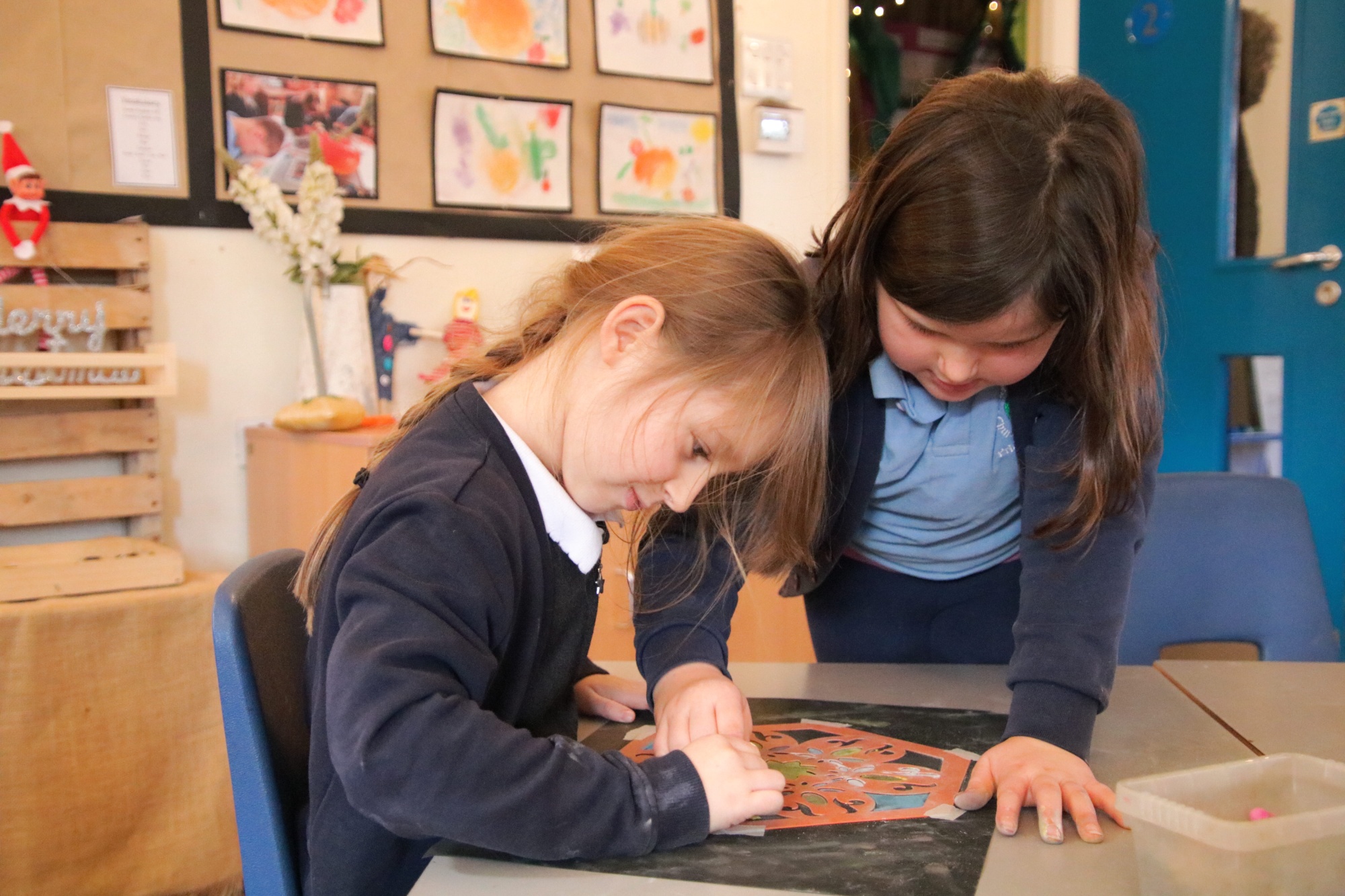
Creative development is fundamental to successful learning. Being creative enables children to make connections between one area of learning and another. Children develop their artistic knowledge and skills through a range of mediums. Opportunities across school encourage children to apply their artistic abilities in cross-curricular work.
We are proud of the music, dance and drama opportunities that we offer our children. They play a variety of instruments within music curriculum time and are also offered opportunities to take up a peripatetic music lesson and sing in the school choir. There are many opportunities for performing in concerts and other events at differing points in the school year. We have strong links with Branston Community Academy, and the children perform their end of year production in their modern concert hall.
At KS2, we teach Spanish as a discreet subject. We use the ‘Language Angels’ programme. Children are taught how to speak Spanish and how to write in short sentences and phrases.
At KS1 the language is incorporated into our topic work and children are introduced to simple greetings, colours and numbers. We develop children’s confidence with their speaking and listening skills, and there is a stronger focus on communicating with others. The children are taught about different cultures and traditions in Spain, fostering curiosity and exploration of the wider world.


Please click on the link below for more information about the progression of our Art curriculum.
Physical Education
Physical Education is about improving skills of coordination, control, manipulation and movement. This involves fine and gross motor skills.
It also has two other very important aspects: it helps children gain confidence in what they can do and enables them to feel the positive benefits of being healthy and active. We encourage children to enjoy sports and to develop a positive attitude towards healthy exercise.
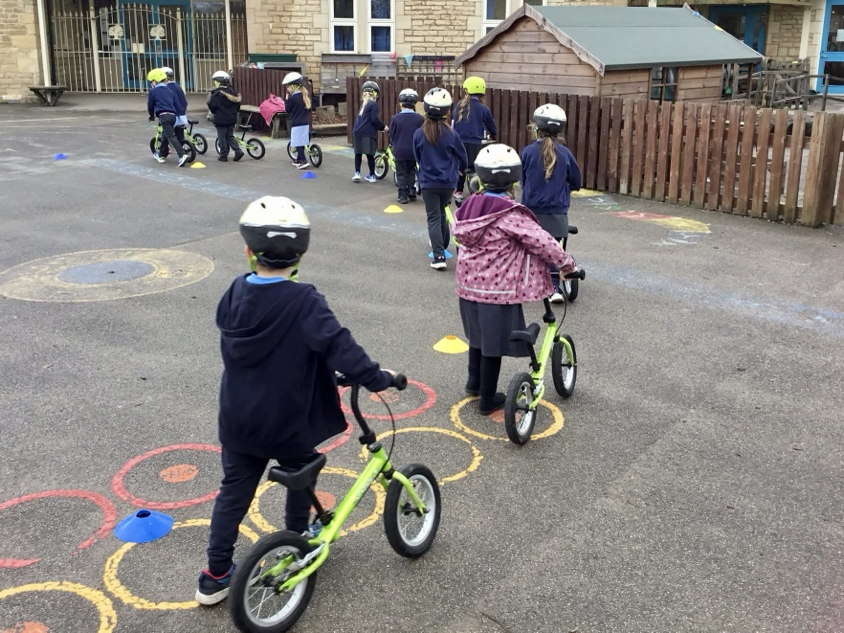
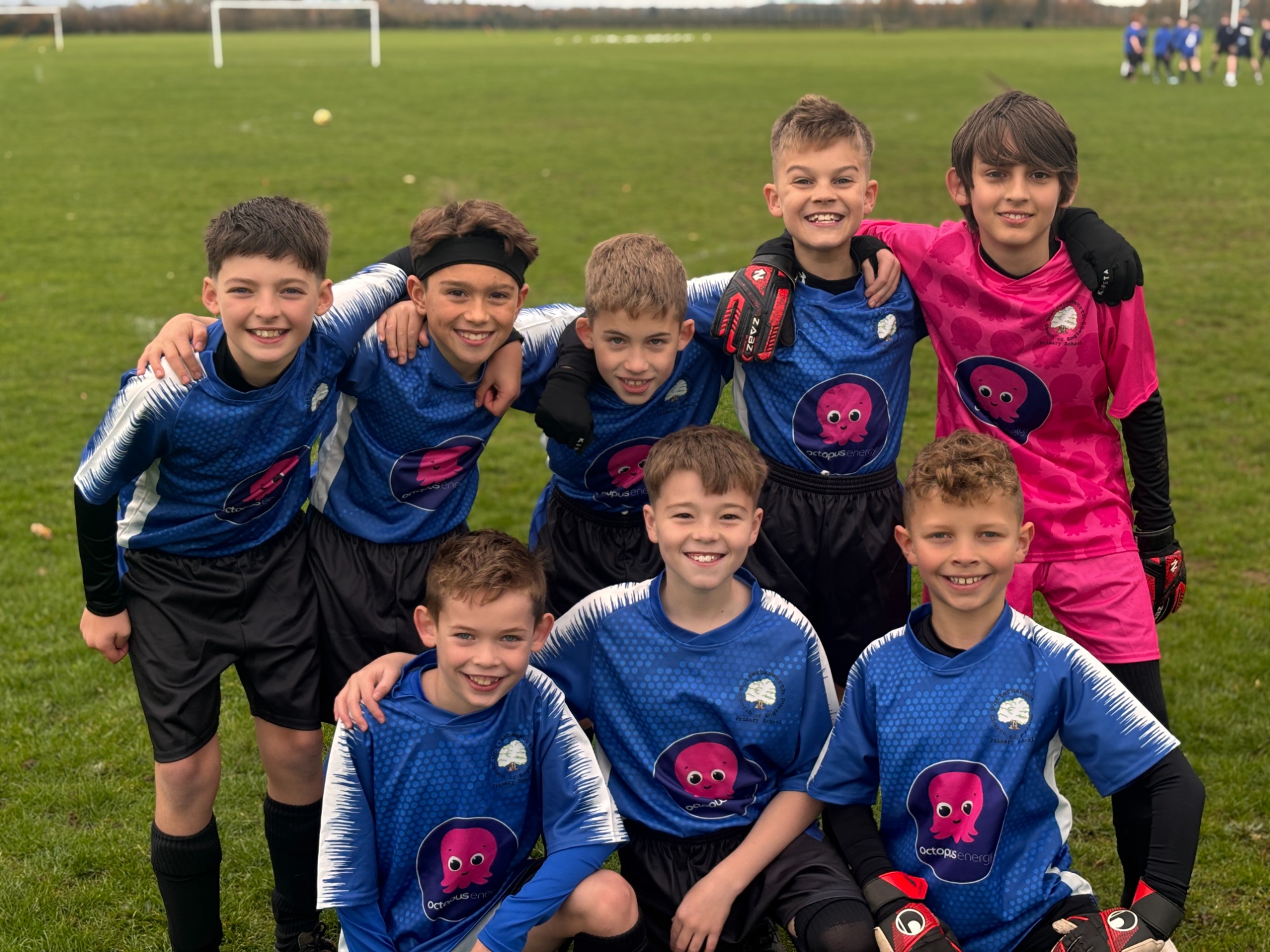
The school is fortunate to have access to a large playing field and hall as well as two school playgrounds where the children practise skills for many different activities including the following games: gymnastics, dance, football, netball, tag rugby, tennis, hockey, kwik-cricket and athletics. We are also fortunate to have use of the local Community Academy’s swimming pool to take different year groups swimming.
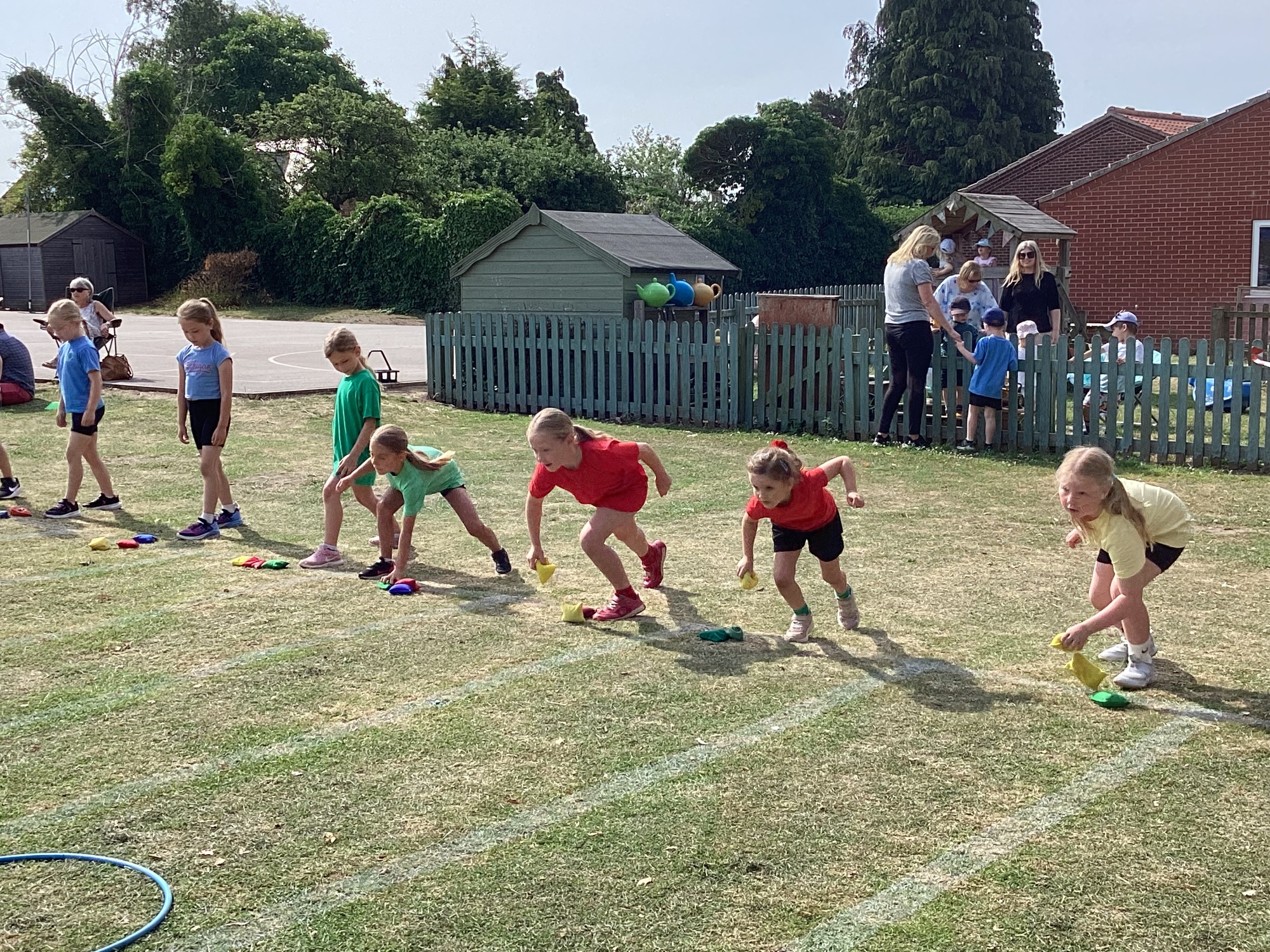
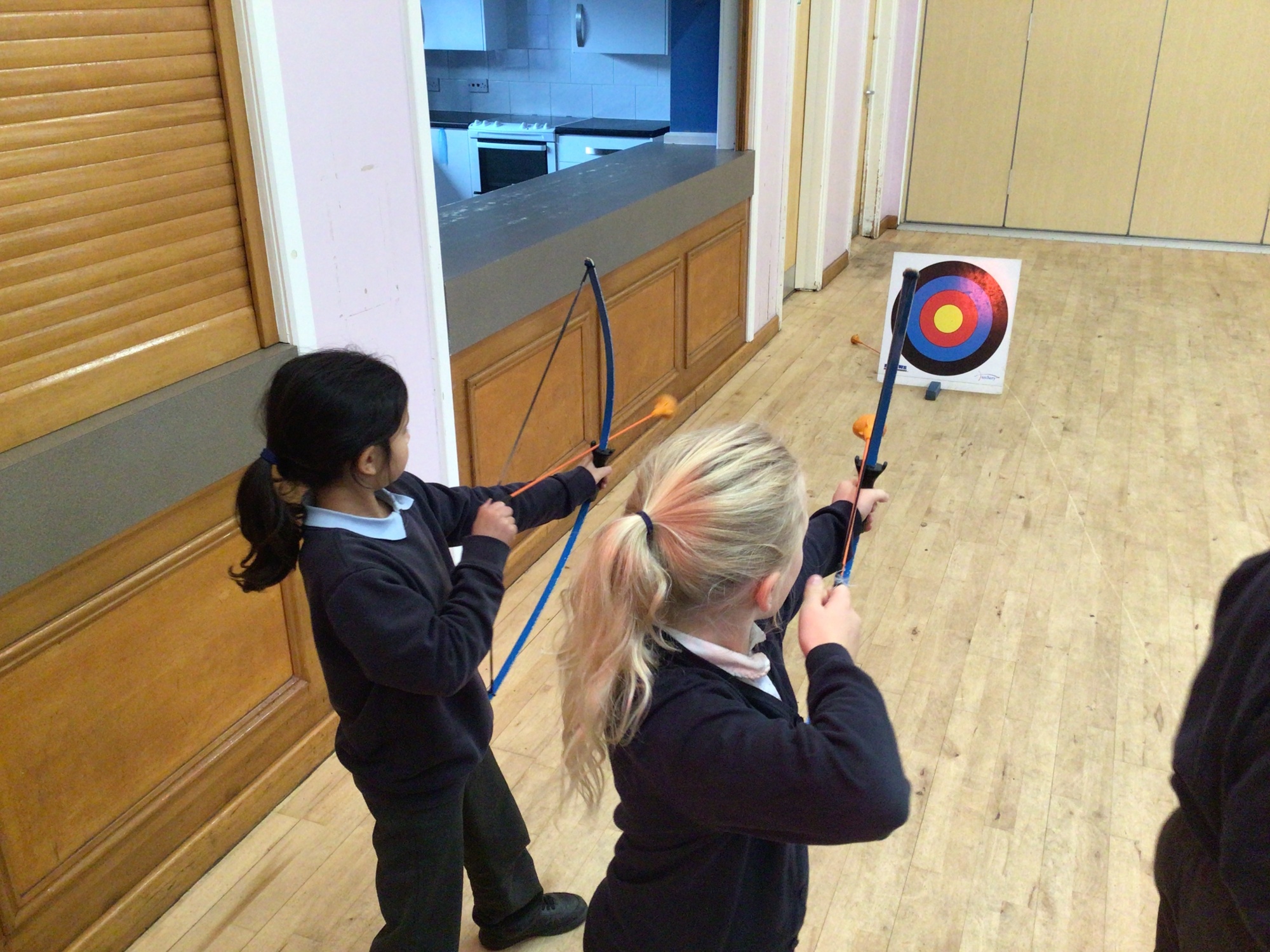
Please click on the link below for more information about the progression of our PE curriculum.
Further Curriculum Information
Religious Education
At Potterhanworth Church of England Primary School, we are committed to delivering a high-quality Religious Education (RE) curriculum that reflects the diverse beliefs, values, and traditions of our community and the wider world. We develop children’s understanding of Christianity and other principal religions. Our lessons are based on the Lincolnshire Agreed Syllabus and Understanding Christianity documents, where the children’s knowledge of religion and respect for all faiths are developed. Children are encouraged to ask questions and find answers about world issues. We promote children having the confidence to make decisions about 'right' and 'wrong' and becoming caring and considerate members of society.
For the academic year 2025–2026, RE at our school is in a development year. This means we are actively reviewing and updating our long-term plan and Stepping Stones Document in preparation for the full implementation of the new Locally Agreed Syllabus for Religious Education (2025–2030).
What does this mean?
- Our RE subject leader is working closely with local partners (including the Diocese and other schools) to ensure our curriculum is fully aligned with the new syllabus.
- Staff are receiving training and support to confidently deliver the updated curriculum.
- Pupils will continue to receive regular RE lessons that reflect the key themes and values of the new syllabus, while we refine our planning and resources.
We look forward to launching our fully updated RE curriculum in September 2026. In the meantime, we will continue to provide meaningful and inclusive RE experiences that promote respect, reflection, and understanding.
If you have any questions about RE at our school, please contact our RE Lead (Miss Woodcock) via the school office.
Vision:
At Potterhanworth Church of England Primary School we aim to ensure that our children are religiously literate. Our intent is to support our children in developing an outstanding level of religious understanding and knowledge so that they are equipped to hold balanced and informed conversations about religions and life.
Intent:
According to the R.E. Council, ‘The ability to understand the faith or belief of individuals and communities, and how these may shape their culture and behaviour, is an invaluable asset for children in modern-day Britain. Explaining religious and non-religious world-views in an academic way allows young people to engage with the complexities of belief, avoid stereotyping and contribute to an informed debate.’
Above all, we want our children to develop a respect for other beliefs and religions and appreciate and celebrate the diverse world in which they live. We want to equip children with not only the minimum statutory requirements of the Religious Education National Curriculum but to prepare them for the opportunities, responsibilities and experiences of later life.
Implementation:
Religious Education is a statutory subject of the curriculum for all pupils in each year group, including Reception. In line with the 1988, 1996 and 1998 Education Acts, all children will receive Religious Education unless parents/carers formally withdraw their own children (S352(1) (a).
At Potterhanworth Church of England Primary School, we ensure that we comply with the legal requirements for RE by following the Lincolnshire Agreed Syllabus for Religious Education 2018-2023. ‘Every agreed syllabus should ‘reflect the fact that the religious traditions in Great Britain are in the main Christian, while taking account of the teaching and practices of the other principal religions represented in Great Britain.’ (s375 (3) Education Act 1996).
In addition, we also use Understanding Christianity: Text, Impact, and Connections. This resource supports the teaching of Christianity in RE. It explores the significant theological concepts within Christianity as part of developing their wider religious, theological and cultural literacy. This is compliant with the Lincolnshire Agreed Syllabus.
At Potterhanworth, RE is taught during weekly lessons, but occasionally there may be a focus day. As recommended in the Lincolnshire Agreed Syllabus 2018–2023, Key Stage 1 children will receive at least thirty-six hours per year and Key Stage Two will receive at least forty-five hours of RE teaching over the school year.
We have developed a clear progression of skills for each year group, which enables pupils to build on and develop their knowledge and skills each year. In order to support children in their ability to ‘know more and remember more’ there are regular opportunities to review the learning that has taken place in previous topics, as well as previous lessons.
Effective use of educational visits is planned, to further enrich and enhance the pupil’s learning experiences within the RE curriculum.
Through our Religious Education Curriculum, we aim to:
- Explore core beliefs and theological concepts through disciplinary knowledge in RE:
- Theology (Believing) – This is about believing. It looks at where beliefs come from, how they have changed over time, how they are applied differently in different contexts and how they relate to each other.
- Human and Social Sciences (Living) – This is about living. It explores the diverse ways in which people practise their beliefs. It engages with the impact of beliefs on individuals.
- Philosophy (Thinking) - This is about thinking. It is about finding out how and whether things make sense. It takes seriously questions about reality, knowledge and existence.
- Teach our pupils to understand and respect the importance of religious beliefs in the world around them and encourage them to respect the right of others to hold different beliefs, values and ideas.
- Offer opportunities for personal reflection and pupils’ spiritual, moral, social and cultural development, as it encourages them to examine the significance of their learning in relation to themselves and others.
- Enables pupils to explore their own beliefs (whether they are religious or not), ideas, feelings, experiences and values in the light of what they learn.
- Encourage our pupils to ask significant and highly reflective questions about the meaning and purpose of life, beliefs about God, issues of right and wrong and what it means to be human.
- Develop an aptitude for dialogue so that pupils can participate positively in our society with its diverse religious and non-religious world-views.
- Give pupils the knowledge and understanding to deal positively with controversial issues, to manage strongly held differences of belief and to challenge stereotypes and prejudice.
EYFS
EYFS children will be guided in their learning through four overarching principles for a unique child, positive relationships, enabling environments and learning and development. They will build a good foundation for igniting their curiosity and enthusiasm for learning, forming relationships and thriving at school through the Seven Overarching Areas of Learning:
- Prime Areas of Communication and Language, Physical Development and Personal, Social and Emotional Development.
- Specific Areas of Literacy, Mathematics, Understanding the World and Expressive Arts and Design.
The Early Years Foundation Stage Curriculum supports children’s understanding of Religious Education through the planning and teaching of ‘Understanding the World – People, Cultures and Communities’. Children are encouraged to use their imagination and curiosity to develop their appreciation of, and wonder at, the world in which they live. Exploring others' views, cultures and beliefs supports children in developing their views and beliefs about themselves, their family and community. In finding out about others, young children are encouraged to reflect on belief, culture and practice and explore religion and faith through observing festivals and celebrations, sharing non–fiction texts and reading stories from religious texts, handling artefacts, engaging in roleplay and drama-based activities, and through discussions with those around them.
For pupils with SEND, it is important to focus on the pupils’ strengths as well as to identify areas where they need more help, practice and consolidation. Through quality-first teaching alongside purposeful adaptations, pupils should have the opportunity to develop a full understanding in Religious Education alongside their peers, regardless of their special educational needs or disability.
Impact:
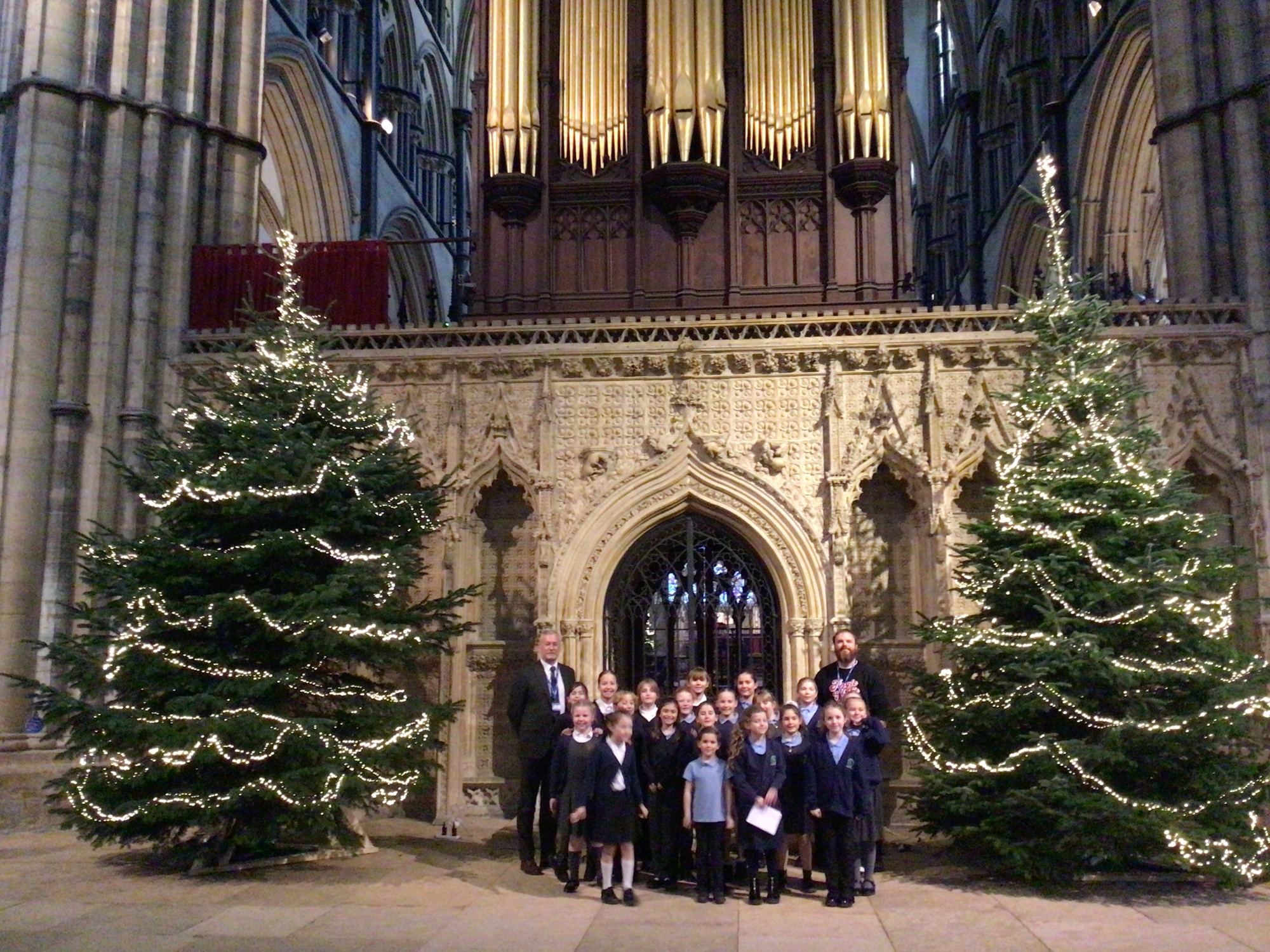
The children at Potterhanworth Church of England Primary School enjoy learning about other religions and why people choose, or choose not to follow a religion. Through their learning in R.E., children can make links between their own lives and those of others in their community and in the wider world, developing an understanding of other people’s cultures and ways of life. As a school, we believe that R.E. is invaluable to help children grow into happy, responsible and spiritually aware citizens for our changing world.
We measure the impact of our curriculum through the following methods:
- Pupils’ progress in RE is based on the expected outcomes outlined in the Lincolnshire Agreed Syllabus and in Understanding Christianity.
- Summative assessments are made by teachers at the end of each term, in both knowledge and skills. Teachers can use evidence from pupil discussions, written outcomes, pupil interviews (pupil voice), and other creative outcomes, such as drama, art and music.
- Pupils’ books and standards in RE are monitored and evaluated by the RE lead. This is followed up by constructive feedback and, where appropriate, by CPD for staff delivering RE lessons.
- RE is monitored by the School governors.
- Progress in RE is reported annually to parents and has a prominent position in the end-of-year report.
Right to Withdraw from Religious Education
Parents and carers have the legal right to withdraw their child from all or part of Religious Education (RE). This right is set out in Section 71(1) of the School Standards and Framework Act 1998, which applies to all state-funded schools, including academies.
If you wish to discuss or request withdrawal from RE, please contact the school office. We are always happy to talk with families to ensure you fully understand how RE is taught at our school and to answer any questions.
While children can be withdrawn from RE, the school remains responsible for their supervision during this time.
Please click on the link below for more information about the progression of our Religious Education curriculum.
Relationships, Sex and Health Education
Relationships, Sex and Health Eduction is important in equipping children for their lives now and in the future. It is set within a framework of Christian values and taught as part of the PSHE programme. This is taught through our Kapow resource, which delivers all aspects at an age-appropriate level. Our policy can be found in the policy page and in this section.
Please click on the link below for more information about the content and progression of the RSHE curriculum.
Additional Information
Assessment & Testing
- Assessment of children’s progress takes place throughout the school year.
- EYFS (Reception) children take part in baseline assessments on entry to school. They then work towards achieving a good level of development (GLD), which is the expected level for this age group.
- In the summer term, Year 1 children take part in the National Phonics Screening programme. Results are reported to parents at the end of the year.
- Y4 children take part in the National Multiplication Check.
- Statutory Assessments currently take place for children at the end of ‘Key Stage 2’ (towards the end of their time in the juniors). Parents receive test results for KS2 along with their child’s end of year report.